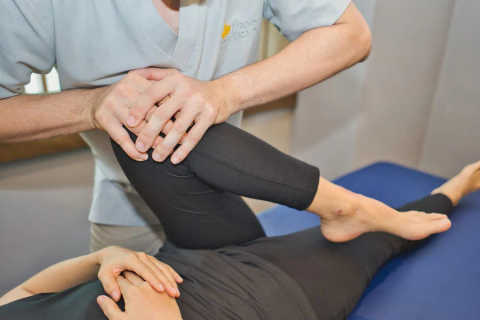
How the Neural Kinetic Method Works
Physio-Neurological Healing uses a Neural Kinetic approach that focuses on movement patterns and targeted techniques to encourage neural network regeneration. A therapist assesses how you sense and move, then applies guided, specific movements and hands-on input intended to promote freer, more coordinated motion without making medical promises about cures or outcomes.
The method emphasizes enhancing neural plasticity rather than simply treating local muscle pain. Practically, that means graded movement challenges, sensory cues, and manual techniques designed to re-engage sensory-motor pathways. Results depend on individual factors and consistency; the therapist will discuss trade-offs and next steps based on your response during the session.
What To Expect In Sessions
A session begins with a movement and sensory assessment to identify restricted patterns and compensations. Treatment is individualized: hands-on work combined with guided active movements, frequent communication about comfort, and adjustments based on your feedback. Many clients notice immediate improvements in range of motion and tension, while sustained change typically requires follow-up and home practice.
After hands-on work the therapist will often suggest simple movement or sensory tasks you can do at home to reinforce gains. Scheduling is adaptable for military families and shift workers commuting to Kings Bay; plan visits outside the busiest months (January, April, September) if you prefer less demand for appointments.
Local Suitability And Seasonal Notes
GTO Health and Wellness @ The LOFT is located on the Charlie Smith Sr Hwy commercial corridor in Saint Marys, convenient for Kings Bay families, commuters on US-17, and visitors to the Cumberland Island ferry. The practice fits people who need flexible scheduling around shift work or travel and those who want recovery that supports coastal and outdoor lifestyles.
Regional climate and activity influence what clients bring and when they book: humid summers and a busy hurricane season make spring and fall good times for reconditioning. The service sees heavier demand in January (health resets), April (reactivation) and September (return to structured schedules), so plan ahead during those months.