How Deep Tissue Bodywork Works
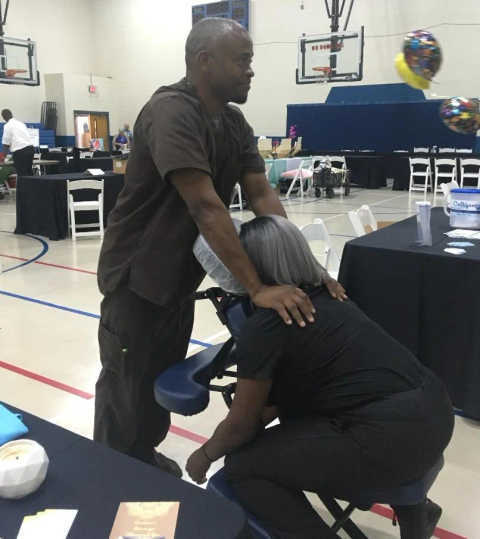
Sessions begin with a focused intake and movement check to identify specific areas of tension and pain. Therapists prioritize listening and ongoing communication, adjusting pressure and focus based on your feedback — an approach clients repeatedly note as essential for safe, effective relief without unnecessary discomfort.
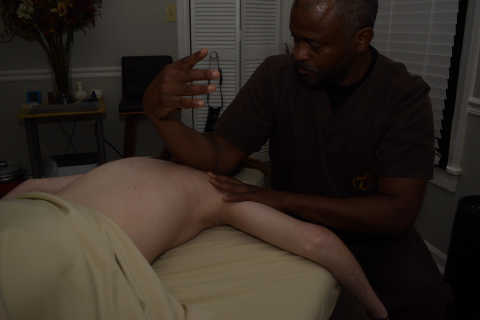
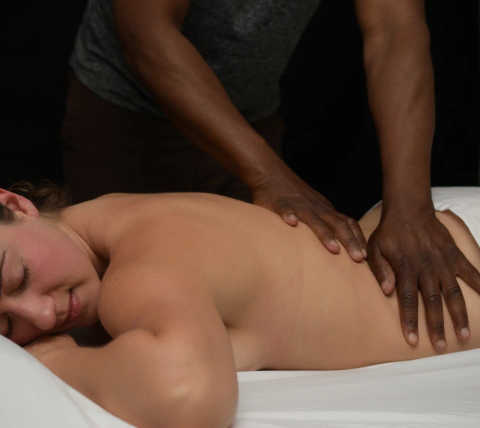
Treatment uses sustained, targeted pressure and slow work on deeper muscle layers and adhesions to release chronic tightness. Expect the therapist to check in frequently; many clients report immediate improvements in range of motion and tension headaches when pressure is carefully modulated and tailored to the problem area.
Common Treatment Focus Areas
Deep Tissue Bodywork commonly targets upper back, neck, shoulders, lower back, hips/glutes and groin-related tightness. Local clients report relief for lifting-related pain, chronic soreness, and even stuck muscles after injuries. Therapists concentrate on the muscles and connective tissue creating the restriction rather than masking symptoms with only surface techniques.
Treatment adapts to local lifestyle and seasonal demands — military routines, long commutes to Kings Bay, coastal outdoor recreation, and humid summers can all increase muscle strain. We also see predictable seasonality: post-holiday tension in January, spring workout soreness in May, and posture-related strain returning in September.
Aftercare and Expected Response
It’s common to feel relaxed along with some transient soreness after a deep session as circulation shifts and muscles release. Clients often notice improved mobility and reduced tightness in the days following treatment. Basic aftercare—hydration, gentle movement, and rest—helps the tissue settle and supports the changes achieved during the session.
Decisions about follow-up frequency are individualized. Some clients find a single session delivers noticeable change, while chronic issues often respond best to a planned series. Therapists will recommend timing and frequency during your visit; appointments are scheduled to accommodate local needs, including military families and shift workers.